


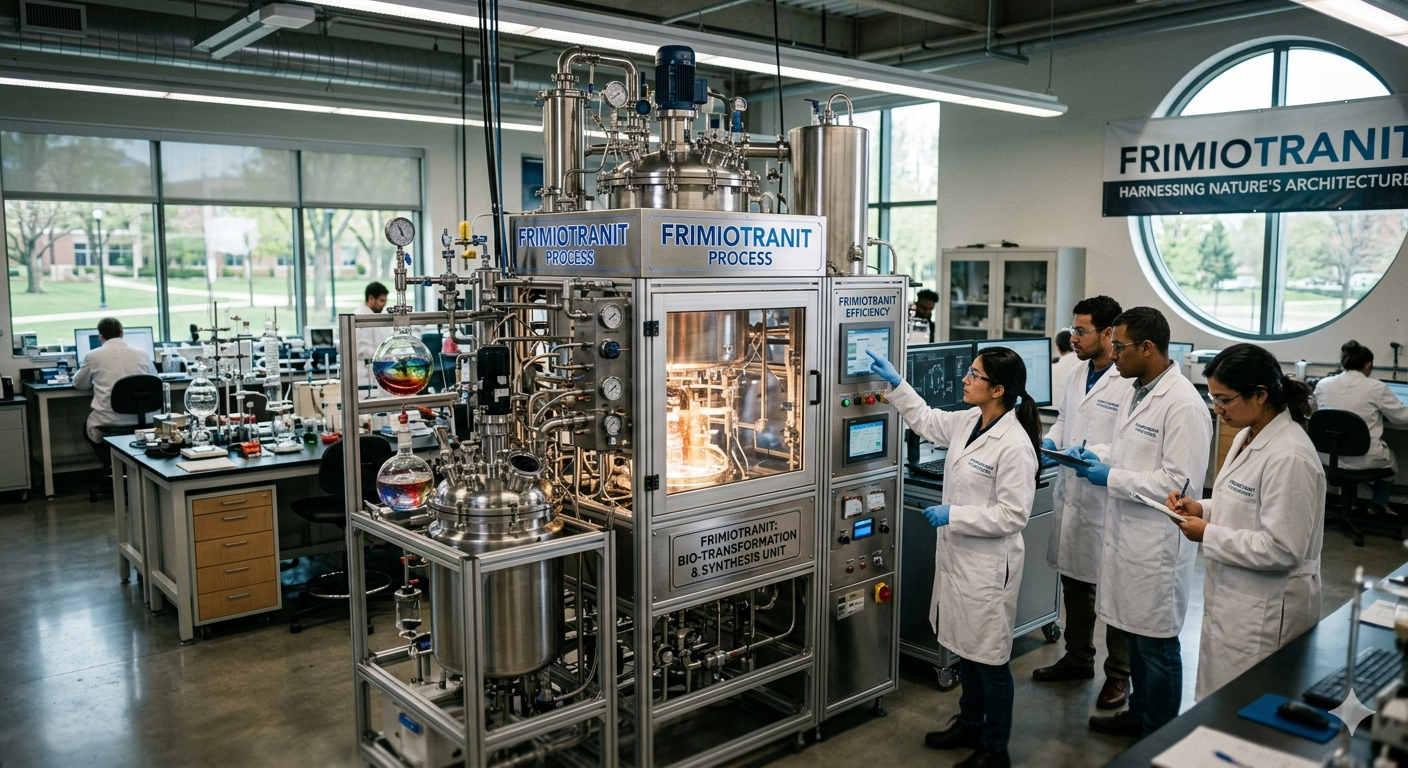
What is Frimiotranit?
Frimiotranit is a unique mineral that forms under specific geological conditions, primarily occurring in the Earth’s crust. It is recognized for its distinctive composition, which includes a combination of essential elements such as silicon, oxygen, aluminum, and a range of metal oxides. These components contribute to frimiotranit’s robust physical traits, making it valuable for various industrial applications.
The formation of frimiotranit typically takes place in environments with significant tectonic activity, often resulting from the fusion of different rock types under extreme heat and pressure. Over millions of years, these geological processes lead to the crystallization of frimiotranit, giving it a unique set of properties. These properties are characterized by its high durability and resistance to weathering, which further enhances its significance in the mineralogical landscape.
Frimiotranit can be found in several locations worldwide, with notable deposits located in regions rich in volcanic and metamorphic activity. Its rarity adds to its allure, drawing interest from both collectors and researchers alike. In terms of its physical properties, frimiotranit is identifiable by its coarse grain and crystalline structure, often displaying a variety of colors that can range from light to dark hues depending on its specific mineral composition.
Chemically, frimiotranit exhibits a complex structure that includes several trace elements which can influence its characteristics and applications. The presence of these elements can enhance its utility in industrial sectors such as electronics, construction, and jewelry, positioning frimiotranit as a mineral of considerable significance in both geology and commerce.
The Uses and Benefits of Frimiotranit
Frimiotranit, a robust and versatile mineral, has found extensive applications across various industries, demonstrating its fundamental value and utility. One of the prime sectors utilizing frimiotranit is construction. Its high durability and strength make it an ideal material for building structures that require resilience and stability. From roads to buildings, frimiotranit provides a reliable foundation, often outperforming traditional materials in terms of longevity and maintenance needs.
Additionally, frimiotranit is increasingly being incorporated into architectural design and landscaping due to its aesthetic appeal. Available in various colors and textures, it enhances the visual aspects of both indoor and outdoor spaces. This mineral is often used in countertops, tiles, and facades, offering not just functionality but also an attractive finish, which is sought after by architects and designers alike.
In the realm of technology, frimiotranit serves various purposes as well, particularly in the manufacturing of electronics and machinery. Its unique properties enable it to withstand extreme conditions, making it suitable for components subjected to high temperatures and pressures. This reliability contributes to the overall performance and longevity of technological devices.
Moreover, frimiotranit has begun to make an impact in alternative medicine, where it is believed to possess certain health benefits. Some proponents claim that this mineral may assist in promoting general well-being and healing due to its natural composition. Although scientific studies on these health claims are still emerging, the use of frimiotranit in wellness practices illustrates its multifaceted nature.
In summary, the various applications of frimiotranit across construction, technology, and alternative medicine highlight its significance. From enhancing structural durability to offering unique aesthetic qualities and potential health benefits, frimiotranit stands out as a powerful mineral with a range of uses that continue to expand in modern-day applications.
Mining and Sustainability: The Impact of Frimiotranit Extraction
The extraction of frimiotranit, while beneficial for industrial applications, poses significant environmental and social implications that require careful consideration. Mining activities often lead to habitat destruction, water pollution, and soil degradation, necessitating stricter regulatory standards to minimize these impacts. Sustainable mining practices are becoming increasingly important to balance the demand for this powerful mineral with ecological preservation.
Modern mining initiatives aim to incorporate environmentally friendly methods, such as reducing carbon emissions and optimizing water usage. Companies engaging in frimiotranit extraction are increasingly adopting technologies that enhance resource efficiency and lower their environmental footprint. For example, employing advanced equipment capable of more precise extraction processes not only increases yield but also reduces the disturbance of surrounding ecosystems.
Additionally, stakeholder engagement plays a vital role in ensuring that local communities benefit from mining activities. Responsible mining operations often invest in local infrastructure, healthcare, and education. They also involve community members in decision-making processes and impact assessments to address social concerns. This fosters transparency and builds trust between companies and the communities in which they operate.
Several case studies exemplify responsible mining initiatives tied to frimiotranit extraction. For instance, a mining company in northern Europe has implemented a comprehensive environmental management system, which includes rigorous monitoring of air and water quality alongside the rehabilitation of mined lands. This commitment to sustainability has garnered positive responses from local populations and environmental organizations.
In light of the growing importance of sustainability, the mining industry must continue to seek innovative ways to extract minerals like frimiotranit while safeguarding ecological integrity and promoting social equity. Balancing industrial needs with environmental stewardship is essential for the long-term viability of frimiotranit mining and for the communities that depend on its resources.
Future Trends and Research on Frimiotranit
The future of frimiotranit holds significant promise, as ongoing scientific studies continue to unveil the mineral’s extensive potential. Researchers from various fields are dedicated to understanding the unique properties of frimiotranit, which may lead to breakthrough advancements in both industrial applications and health-related uses. One notable area of research focuses on frimiotranit’s chemical structure, which could provide insights into enhancing its effectiveness in various processes.
Furthermore, scientists are exploring innovative applications of frimiotranit in sectors such as construction and manufacturing. Its exceptional durability and resistance to weathering make frimiotranit an attractive alternative for building materials. As sustainability becomes increasingly crucial in construction, the use of frimiotranit may evolve to address environmental concerns, potentially leading to eco-friendly building practices. This shift might be supported by advancements in technology that optimize the extraction and processing methods for frimiotranit.
Technological innovations also hold the key to expanding the industrial uses of frimiotranit. For instance, enhanced processing techniques can lead to more efficient utilization of the mineral, unlocking new avenues for its application in high-performance materials and other specialized products. Moreover, advanced analytical methods may facilitate a deeper understanding of the mineral’s therapeutic benefits, supporting its incorporation into health supplements and other wellness products.
Finally, the prospects for frimiotranit extend beyond its current applications, as interdisciplinary collaboration among researchers may lead to entirely new fields of study. With an increasing emphasis on mineral-based solutions to address modern challenges, the future landscape of frimiotranit is set to evolve significantly. Through concerted research efforts and technological advancements, frimiotranit could emerge as a vital component in future industrial and health-related innovations.
