


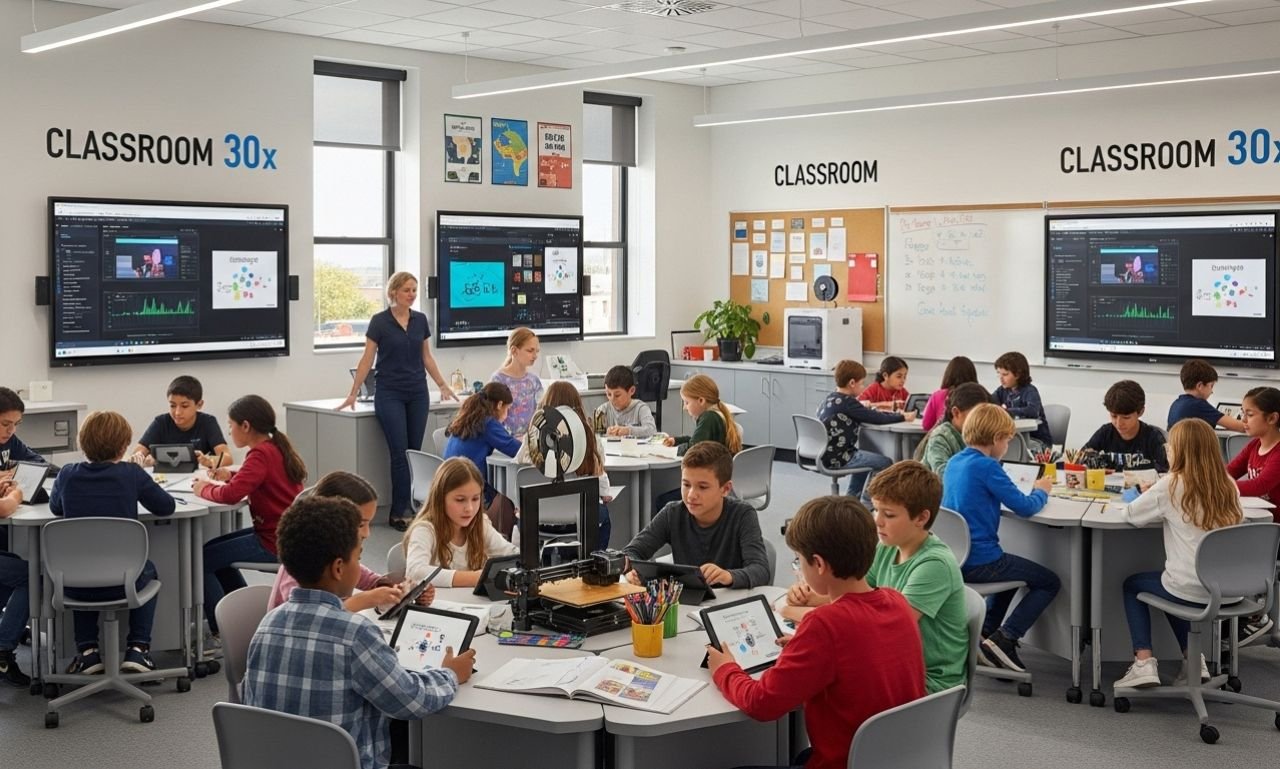
Introduction to Classroom 30x
The concept of Classroom 30x represents an innovative approach to education, designed to enhance the learning experience for both educators and students. In today’s rapidly evolving educational landscape, the traditional methods of teaching often struggle to meet the diverse needs of students. Classroom 30x aims to address these challenges by fostering a dynamic, inclusive, and technology-enhanced learning environment. This approach is particularly significant as it encourages active participation, collaboration, and personalized learning paths.
Classroom 30x is primarily designed for a wide array of educational stakeholders, including teachers, administrators, and learners at various academic levels. Its flexibility makes it suitable for diverse educational contexts, ranging from primary schools to higher education institutions. This adaptability allows educators to tailor their teaching methods and resources to better align with the specific learning objectives of their students.
At the core of the Classroom 30x philosophy is the belief that effective education should not only focus on content delivery but also on cultivating critical thinking, creativity, and problem-solving skills among students. This approach emphasizes interaction among peers, integration of technology, and the significance of creating a supportive learning environment. By leveraging various tools—such as collaborative platforms, multimedia resources, and interactive activities—Classroom 30x seeks to enhance student engagement and comprehension.
The adoption of Classroom 30x holds numerous benefits for educational settings. It promotes a shift from rote memorization to experiential learning, thereby encouraging students to take greater responsibility for their education. Additionally, this model supports teachers in refining their pedagogical practices and engaging more effectively with their students. Ultimately, Classroom 30x aims to unlock the full potential of both educators and learners, leading to transformative educational experiences that are both meaningful and impactful.
Core Features of Classroom 30x
Classroom 30x stands out due to its innovative approach to education, characterized by several core features that significantly enhance the learning experience. At the heart of these features is interactive learning methods, which engage students actively rather than passively absorbing information. This approach fosters critical thinking and helps students develop a deeper understanding of the material, thus enriching the educational journey.
In addition to interactivity, Classroom 30x employs effective technological integration. By utilizing various digital platforms and tools, educators can tailor lessons to fit the dynamic nature of today’s learners. This technology not only makes lessons more engaging but also assists in tracking student progress in real time, allowing for timely interventions when necessary. For instance, the use of multimedia presentations and educational software can make complex subjects more accessible and understandable for students.
Another significant aspect of Classroom 30x is its commitment to personalized instruction. Recognizing that students have varied learning styles and paces, this system allows for the customization of learning experiences. Educators can design individualized pathways, enabling students to work at their comfort level while being challenged to grow. This personalized approach ensures that each student receives the support and resources they need to succeed.
Lastly, collaborative projects are a hallmark of Classroom 30x, promoting teamwork and communication among students. Through group assignments, learners are encouraged to share ideas, solve problems together, and develop essential social skills that prepare them for their future endeavors. Overall, these core features of Classroom 30x contribute to creating a vibrant and effective educational atmosphere that is conducive to learning.
Impact of Classroom 30x on Student Learning
The implementation of the Classroom 30x model has shown significant positive effects on various aspects of student learning, fostering conditions conducive to both engagement and academic success. Data collected from educational institutions that have adopted this innovative approach reveal marked improvements in student engagement. By facilitating active participation, the Classroom 30x methodology encourages students to take greater ownership of their learning journey. This is achieved through collaborative projects and interactive discussions, which serve to pique interest and enhance their commitment to academic pursuits.
Furthermore, the critical thinking skills developed within the Classroom 30x framework are noteworthy. Students are regularly challenged with complex problems that require them to analyze, evaluate, and devise solutions, thus sharpening their analytical abilities. According to testimonials from educators, students report a greater sense of confidence when confronted with challenging academic tasks, a direct result of the model’s emphasis on real-world applications of knowledge.
In addition to cognitive development, the emotional and social dimensions of learning within the Classroom 30x context cannot be overlooked. The collaborative environment nurtures social skills through peer interactions, fostering a sense of camaraderie and support. Students participating in such a setup often report improved relationships and a heightened sense of belonging, which are crucial elements for emotional well-being. Moreover, as students work together to tackle academic challenges, they develop empathy and an appreciation for diverse perspectives.
The combination of enhanced engagement, critical thinking, and improved social-emotional skills positions Classroom 30x as a transformative educational strategy. Students not only excel academically but also emerge as well-rounded individuals prepared for future challenges. Overall, the positive impact on student outcomes underscores the potential of the Classroom 30x model in revolutionizing contemporary education.
Implementing Classroom 30x: Challenges and Solutions
The integration of Classroom 30x into educational settings presents numerous challenges that educators must navigate to facilitate an effective implementation. One significant hurdle is resistance to change. Many educators may feel apprehensive about shifting from traditional teaching methods to a more dynamic approach such as Classroom 30x. This resistance can stem from various factors, including a lack of understanding of the new framework, fear of the unknown, or simply an attachment to established routines. To alleviate this challenge, institutions can prioritize professional development, offering training sessions that not only inform educators about the benefits of Classroom 30x but also demonstrate practical applications in engaging students.
Another considerable barrier pertains to resource limitations that many schools face. Implementing Classroom 30x may require new technologies, materials, or even additional personnel. Unfortunately, budget constraints can be a limiting factor in many educational environments. Schools looking to implement Classroom 30x can adopt a phased approach, gradually introducing new tools in a manner that aligns with available resources. Seeking partnerships with local businesses or educational organizations can also provide much-needed support, including funding opportunities and access to technology.
In addition to these challenges, teacher training plays a critical role in the successful implementation of Classroom 30x. Teachers must be adequately prepared to facilitate this innovative learning model. Institutions should establish comprehensive training programs that offer ongoing support and coaching, enabling educators to become comfortable with their new roles in a 30x classroom environment. Peer mentorship can further enhance this process, allowing experienced teachers to share insights and resources with their less experienced counterparts.
