


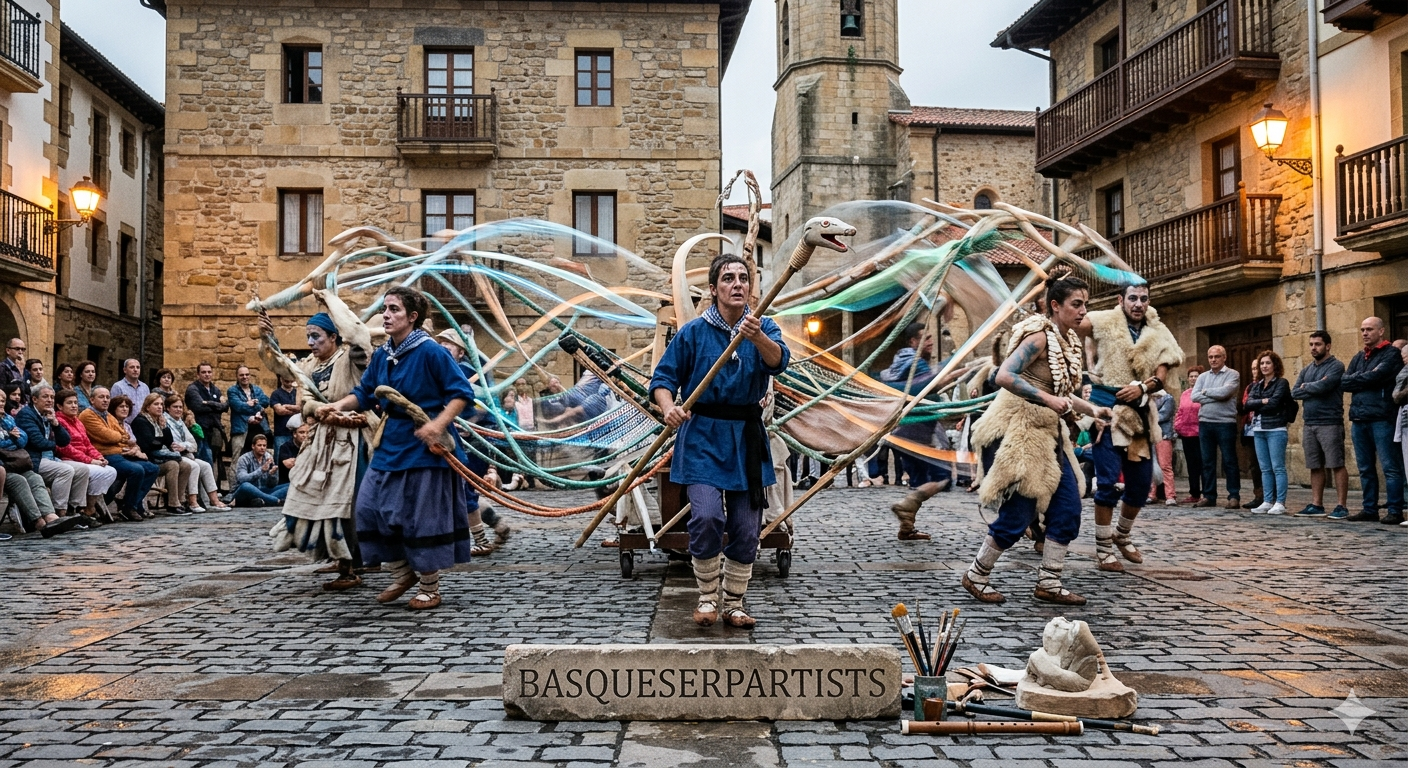
Who are the Basqueserpartists?
The term basqueserpartists refers to a collective of artists rooted in the Basque region, known for their unique approaches to art that blend tradition with contemporary innovation. The origins of this artistic movement can be traced back to the rich cultural heritage of the Basque people, which is characterized by a distinctive language, folklore, and customs. As custodians of this heritage, the basqueserpartists play a vital role in ensuring that these elements are preserved and reinterpreted through their work.
In understanding the significance of basqueserpartists, it is essential to recognize the various methodologies they employ. These artists often draw inspiration from traditional Basque art forms, such as pottery, weaving, and mural painting, while incorporating modern techniques and themes. This synthesis not only grants contemporary resonance to their pieces but also sparks discussions about identity and cultural evolution. The influence of regional history, geography, and social dynamics can also be seen in their works, reflecting the profound connection that these artists maintain with their surroundings.
The messages conveyed by basqueserpartists often center on themes of resilience, communal identity, and the continuity of culture. Their artworks serve as a medium for storytelling, where narratives of past and present intertwine, offering viewers an invitation to engage with Basque culture on a deeper level. Through their dedication to artistic expression, basqueserpartists fulfill a crucial role in promoting cultural awareness and fostering appreciation for the rich diversity of Basque traditions and contemporary interpretations. The ongoing dialogue between heritage and modernity showcased by these artists ensures that the essence of Basque culture continues to thrive in an ever-evolving artistic landscape.
The Themes and Inspirations Behind Basqueserpartists’ Work
The creative endeavors of basqueserpartists are deeply influenced by a rich tapestry of themes and inspirations that stem from their cultural heritage, historical context, and social environment. The Basque Country, with its unique position in Europe and a distinct identity, serves as a continual source of artistic motivation. Artists often draw upon local traditions, reflecting the strong sense of community and the collective experiences that shape their narratives.
One prominent theme in the work of basqueserpartists is the relationship with nature. The lush landscapes, mountains, and coastlines of the Basque Country provide a backdrop that is not merely scenic but also emblematic of the spiritual connection that many artists feel towards their environment. Elements of flora and fauna frequently appear in their pieces, symbolizing not only beauty but also resilience and the intricate balance of ecosystems.
Mythology also plays a significant role in the creative practices of basqueserpartists. The Basque folklore, rich with tales of mythical creatures and ancient gods, serves as a wellspring of inspiration. This interplay between mythology and contemporary themes allows artists to comment on modern society while remaining grounded in their cultural roots. Similarly, the everyday life and struggles faced by the Basque people often find expression in their art, addressing social issues and fostering a deeper understanding of their community’s character.
Furthermore, historical events and their repercussions resonate within the artwork of basqueserpartists, as they create pieces that reflect the socio-political landscape of their region. The interplay of past and present not only helps to preserve the legacy of the Basque identity but also invites broader discussions on resilience, identity, and cultural continuity, thus enriching the spectrum of Basque artistic expression.
Showcasing Notable Basqueserpartists and Their Contributions
The vibrant landscape of contemporary Basque art is defined by a cadre of talented basqueserpartists whose innovative expressions have contributed significantly to the cultural tapestry of the region. Among these distinguished individuals, several have stood out not only for their unique artistic styles but also for their meticulous dedication to representing Basque heritage and identity.
One notable figure is artist Itziar Okariz, whose multimedia installations delve deep into themes of memory and identity. Okariz’s work often incorporates participatory elements that invite the audience to engage directly with Basque historical narratives. Her piece titled “Inhabiting Silence” garnered attention for its poignant exploration of sociopolitical issues faced by the Basque community, making it a powerful statement both locally and internationally.
Another key player is the renowned sculptor Eduardo Chillida, celebrated for his monumental works that harmonize with nature. Chillida’s sculptures, such as his iconic piece “Peine del Viento,” have become synonymous with the Basque landscape. Through his art, Chillida sought not only to communicate the essence of space and form but also to evoke feelings of belonging and spirituality inherent in the Basque culture.
In the realm of contemporary painting, the work of Patxi Xabier exemplifies the intertwining of traditional and modern techniques. Xabier’s vibrant and abstract representations resonate deeply with Basque folklore, while his projects bridge the gap between the local art scene and broader artistic dialogues internationally. His recent exhibitions in major global cities have amplified the visibility of Basque art, attracting diverse audiences and encouraging a richer appreciation of its nuances.
Through their contributions, these basqueserpartists have not only enriched the artistic dialogue within the Basque Country but have also positioned their works to resonate on a global stage, ensuring that the essence of Basque culture continues to inspire and engage a wider audience.
The Future of Basqueserpartists: Trends and Developments
The realm of basqueserpartists is witnessing a dynamic evolution, characterized by emerging trends and developments that reflect both contemporary challenges and the potential for innovation. As these artists continue to embrace modern technology, they are transforming traditional forms of expression into new mediums, such as digital art and virtual reality installations. This shift not only expands the artistic toolkit at the disposal of basqueserpartists but also enables them to reach wider audiences and engage with younger generations who are increasingly inclined towards digital experiences.
However, the contemporary landscape is not without its obstacles. One significant challenge facing basqueserpartists is the competition and dilution of cultural identity amidst globalization. As global art trends dominate the narrative, there is a pressing need for these artists to strike a balance between innovation and preserving the rich heritage of Basque culture. Engaging with local communities is critical in this regard, as it fosters a deeper appreciation for traditional forms while allowing for creative experimentation in contemporary contexts. Community involvement can ensure that the artistic expressions of basqueserpartists remain rooted in cultural authenticity.
Additionally, the proliferation of social media platforms has proven to be a double-edged sword; while it offers unprecedented visibility and connection opportunities for basqueserpartists, it also brings forth the risk of oversaturation. Artists must navigate this environment thoughtfully, focusing on quality in their work and interactions. The ongoing dialogue among artists themselves, as well as with audiences, is crucial in shaping the future of Basque art. As the sensibilities of basqueserpartists continue to adapt, the preservation of cultural identity through artistic expression will remain a foundational aspect of their future endeavors.
