


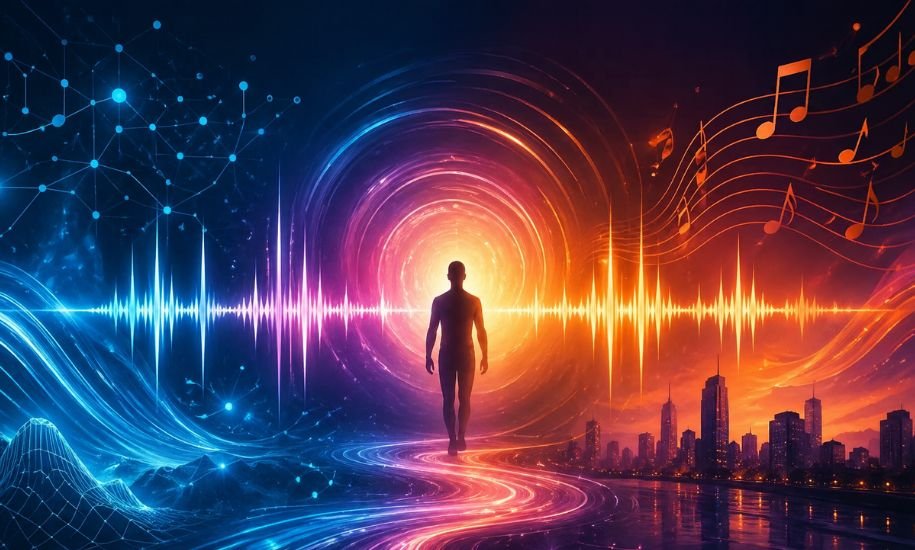
What is Pulsamento?
Pulsamento is a term derived from the Italian word for “pulse,” and it encapsulates the essence of rhythm found in various artistic expressions, notably in music and dance. The etymology of pulsamento reveals its deep-rooted connection to the notion of a heartbeat, which is central to the experience of rhythm. Historically, pulsamento has resonated across cultures, serving as a vital component in traditional and contemporary art forms.
The significance of pulsamento extends beyond mere timing; it embodies the underlying energy that animates a performance. In many cultures, pulsamento is often perceived as the essence that connects the performer to the audience, creating an immersive experience that transcends physical movement. For instance, in African drumming, the pulsamento is not merely a beat but a unifying force that fosters communal participation, emphasizing the collective heartbeat of the group.
Key characteristics that define pulsamento include its dynamic nature and its ability to convey emotion. This rhythmic element is often characterized by variations in intensity, speed, and complexity, enabling artists to express profound sentiments through subtle shifts in pulse. In dance, pulsamento can be observed in the synchronization of steps to an underlying rhythm, providing cohesion and flow to the performance. Musicians similarly harness pulsamento to evoke specific feelings, using tempo variations and rhythmic patterns to enhance the emotional landscape of their compositions.
Overall, pulsamento serves as the heartbeat of artistic endeavors, facilitating a deeper connection between creators and their audiences. Its role as a rhythmic element is crucial, as it not only structures the flow of artistic expression but also infuses it with vitality and emotional depth.
The Science Behind Pulsamento
Pulsamento, a term that refers to the rhythmic pulsations inherent in music and movement, has profound implications on both physiological and psychological levels. Recent studies demonstrate that pulsamento is not just a linguistic construct but rather a significant factor in influencing human emotions and physical responses. The concept of rhythm is deeply rooted in our neurological architecture, with various patterns of pulsamento engaging the brain’s reward system, enhancing feelings of pleasure and connection.
Specifically, research illustrates how rhythmic stimuli can actively shape brain activity. For instance, neuroimaging studies have highlighted that exposure to consistent pulsamento can trigger the release of neurotransmitters such as dopamine, which plays a key role in mood regulation. This mechanism explains why rhythmic music often evokes powerful emotional experiences and can serve a therapeutic purpose. In music therapy, pulsamento is utilized to create a sense of stability and safety, allowing individuals to process emotions and experiences in a supportive environment.
Furthermore, the physiological aspects of pulsamento reveal interesting correlations with bodily responses. Research shows that synchronization with rhythmic elements can lead to physiological synchronization, such as heart rate and breathing patterns aligning with music or movement. This creates a sense of unity not only within an individual but also among groups, enhancing social bonding. In communal settings, shared pulsamento in music or dance can foster a profound collective experience that strengthens interpersonal connections. Studies suggest that such social bonding is enhanced through the shared experience of rhythm, emphasizing the role of pulsamento in building community.
Thus, understanding the science behind pulsamento reveals its multifaceted impact on human experience, reminding us of the intricate connections between rhythm, emotion, and physiology. In exploring these relationships, we uncover the deeper significance of pulsamento in our daily lives and social interactions.
Pulsamento in Practice: Application Across Disciplines
Pulsamento, a fundamental concept that embodies the heartbeat of rhythm, finds its applications across various artistic disciplines, including music, dance, and literature. In music, pulsamento manifests as the pulse that guides compositions, dictating both tempo and emotional intensity. Notable composers like Igor Stravinsky embraced pulsamento by experimenting with rhythmic structures, which engaged audiences and enhanced their overall experience. Stravinsky’s works, such as “The Rite of Spring,” showcase how pulsamento can create an intoxicating atmosphere, pushing the boundaries of musical expression.
In the realm of dance, pulsamento plays a pivotal role in conveying emotions and themes. Renowned choreographers such as Martha Graham utilized the concept of pulsamento to manipulate movement dynamics. Her innovative pieces incorporate varied rhythms and tempos that reflect the pulsations of the human spirit, generating a deeper connection between dancers and their audience. The synchronization of movement with the rhythmic pulse not only amplifies the narrative but also elicits emotional responses from spectators.
Pulsamento also influences literary works, where authors like Virginia Woolf employed rhythmic patterns in their prose to mirror the human thought process. Woolf’s stream-of-consciousness technique can be seen as a literary interpretation of pulsamento, where the ebb and flow of ideas create a rhythmic heartbeat throughout her narratives. This stylistic approach enables readers to experience the intimate tempo of characters’ thoughts, enhancing their engagement.
Moreover, the critical function of pulsamento in improvisation and composition cannot be overstated. Artists often rely on the innate rhythm of pulsamento to decide on direction and expression, allowing for spontaneity while maintaining structural integrity. This essential feature facilitates a dynamic interplay between intention and creativity, ultimately resulting in impactful performances across art forms.
The Future of Pulsamento: Trends and Innovations
The evolution of pulsamento, which encompasses the essence of rhythm and timing in artistic expression, is set to undergo significant transformations in the coming years. Rapid advancements in technology are paving the way for new interpretations and experiences centered around this fundamental concept. Artists are increasingly seeking innovative methods to engage with audiences, utilizing pulsamento as a core component in their creations.
One notable trend is the emergence of digital art forms that incorporate pulsamento into their fabric. Interactive installations, virtual reality experiences, and generative music systems harness algorithms to replicate and reinterpret the rhythmic pulse found in traditional expressions. These digital manifestations allow audiences to experience pulsamento in a dynamic way, where interaction alters the rhythm and flow, blurring the lines between creator and spectator.
Moreover, the current rise of immersive performances is fundamentally reshaping how pulsamento is perceived. Live shows that integrate various sensory stimuli—visuals, soundscapes, and tactile feedback—tend to elevate the audience’s experience of rhythm. By fostering a deeper connection between performers and participants, pulsamento serves as a conduit for enhancing emotional engagement and fostering communal experiences in a fast-paced modern world.
As artists continue to experiment with new mediums, understanding pulsamento becomes increasingly essential for future artistic endeavors. This knowledge not only informs the way rhythm is used in innovative forms but also encourages artists to push the boundaries of conventional practices. Ultimately, the exploration of pulsamento through emerging trends and technologies holds the potential to transform the way audiences connect with art, cultivating a profound appreciation for the heartbeat of creativity.
