


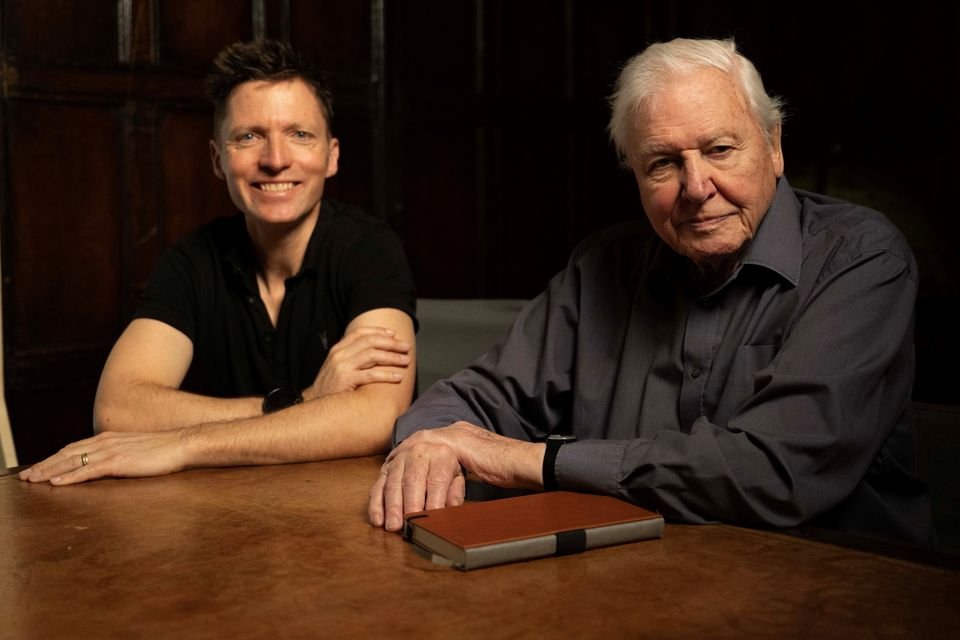
The Early Life of Robert Attenborough
Robert Attenborough was born in a modest neighborhood, where his childhood was steeped in the rich tapestry of nature. Growing up in England, he was one of three siblings, and his family played a significant role in inspiring his early fascination with the natural world. His father, a scholar with a passion for the outdoors, often took Robert and his siblings on excursions in nearby parks and nature reserves, nurturing their curiosity about the flora and fauna surrounding them.
During his formative years, Robert exhibited an affinity for collecting specimens ranging from insects to small plants. This early enthusiasm was further strengthened by his education at local schools, where he excelled in the sciences. Teachers identified his keen interest in biology and often encouraged his explorations in fields such as ecology and zoology. This support from educators was pivotal, giving Robert the confidence to pursue his interests fervently.
In addition to his academic pursuits, Robert spent significant time observing wildlife in his local environment. He recalls how these early encounters with nature, whether birdwatching in his backyard or exploring local woodlands, instilled in him a lifelong commitment to conservation. Such experiences not only enriched his understanding of ecosystems but also helped foster a deep appreciation for biodiversity.
As a young individual, Robert Attenborough’s experiences were not only about leisure; they shaped his worldview and laid the groundwork for what would become an illustrious career in wildlife documentaries and environmental advocacy. His upbringing, along with family and educational influences, crafted a foundation that propelled him toward significant contributions to the understanding of nature and wildlife preservation.
Career Highlights and Achievements
Robert Attenborough’s illustrious career has established him as a paramount figure in the fields of wildlife documentary filmmaking and nature conservation. Beginning his journey in broadcasting during the mid-20th century, Attenborough quickly garnered recognition for his compelling storytelling and his ability to bring the natural world into living rooms around the globe. His innovative approach combined immersive cinematography with engaging narratives that captivated audiences of all ages.
Among his notable projects, the landmark series “The Blue Planet” and its successor “The Blue Planet II” stand out as masterpieces of documentary filmmaking. These series not only showcased the breathtaking beauty of marine life but also brought attention to the pressing issues of ocean conservation. Such efforts were pivotal in raising public awareness regarding environmental issues and the urgent need for wildlife preservation. Additionally, his series “Planet Earth” was groundbreaking in its use of high-definition filming techniques, revealing the wonders of our planet like never before.
Throughout his career, Robert Attenborough has received numerous accolades, underscoring the significant impact of his work. He has been honored with multiple BAFTA Awards and an Emmy Award for his outstanding contributions to natural history programming. Furthermore, Attenborough has been recognized with honorary degrees and titles from prestigious universities and institutions, affirming his role as a vital advocate for conservation and education in the field of ecology.
In addition to his television work, Robert Attenborough’s extensive contributions to literature have further solidified his legacy. His books, often considered as essential reading for anyone interested in nature and conservation, eloquently encapsulate his passion for wildlife and feature a wealth of knowledge accumulated over decades. His influence reaches beyond the screen and pages, inspiring generations to take an active role in environmental stewardship.
Environmental Advocacy and Conservation Efforts
Robert Attenborough has established himself as a leading figure in environmental advocacy and conservation efforts throughout his illustrious career. He has effectively utilized his platform to raise awareness of critical environmental issues, illustrating the delicate balance of ecosystems and the urgent need for wildlife preservation. His passion for nature is evident in his work, which spans several decades and includes numerous documentaries that document the wonders of the natural world while highlighting the threats it faces.
One of the core aspects of Robert Attenborough’s advocacy is his commitment to public education. Through various mediums, including television and literature, he has engaged audiences on the importance of biodiversity and the measures necessary for its protection. His compelling narrative style and ability to present complex ecological concepts in an accessible manner have resonated with millions, making him a prominent spokesperson for environmental conservation.
In addition to his media efforts, Robert Attenborough has actively collaborated with several conservation organizations. His partnerships with NGOs have resulted in impactful initiatives aimed at addressing issues such as climate change, habitat destruction, and wildlife trafficking. By lending his voice and credibility to these organizations, he has amplified their missions and helped secure funding and support for critical conservation projects. His involvement has not only facilitated the implementation of vital programs but has also inspired individuals to take action in their own communities.
The significance of Robert Attenborough’s advocacy cannot be overstated. His tireless efforts have heightened public consciousness regarding environmental issues, leading to more robust policies and initiatives aimed at protecting our planet. Through his ongoing commitment and influence, he continues to inspire future generations to cherish and safeguard the natural world for years to come.
The Legacy of Robert Attenborough
Robert Attenborough‘s impact on the field of wildlife conservation and environmental education is immeasurable. His tireless commitment to educating the public about the intricacies of the natural world left an indelible mark that continues to resonate today. Through his captivating storytelling and profound observations, he has inspired countless individuals to foster a deeper connection with nature. His documentaries not only showcased the beauty of biodiversity but also highlighted the urgent need for conservation efforts.
The legacy of Robert Attenborough is not confined to the screen; it permeates through various movements of environmental awareness and wildlife protection. His life’s work ignited passion in many, prompting new generations of naturalists, scientists, and ordinary citizens to advocate for the Earth’s ecosystems. Many educational programs and conservation initiatives around the globe have taken cues from his life’s philosophy, emphasizing the urgent need to protect our planet’s wildlife. The emotional responses evoked by his documentaries have awakened a sense of responsibility toward the environment, influencing policy and action worldwide.
Philosophically, Attenborough observed the intricate relationship between humanity and the natural world, urging us not merely to coexist but to thrive symbiotically with other forms of life. His reflections encourage a re-evaluation of our role within the environment; rather than viewing nature as a resource to exploit, he advocated for its preservation and respect. This viewpoint is critical, especially as challenges such as climate change and habitat loss continue to threaten global biodiversity.
In conclusion, Robert Attenborough’s legacy goes beyond his contributions to environmental documentaries; it represents a cultural shift towards valuing and protecting our natural world. He will be remembered as a champion of wildlife, whose teachings and philosophy continue to inspire individuals and communities to embrace conservation as a vital pursuit for the future.
