


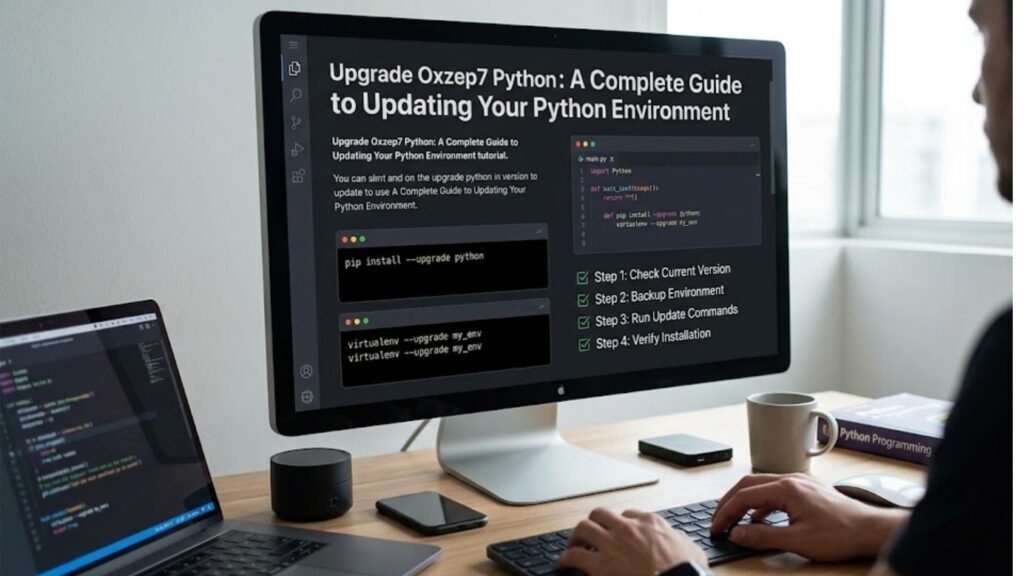
Understanding Oxzep7 Python and Its Latest Version
Oxzep7 Python is an advanced programming language that serves as a versatile tool for developers, data scientists, and engineers. It is built upon Python’s rich ecosystem, offering enhanced functionality that caters to various applications including web development, data analysis, artificial intelligence, and automation. The latest version of Oxzep7 Python introduces significant improvements that are crucial for users looking to maximize their coding efficacy and project performance.
The core functionalities of Oxzep7 Python include an extensive library support system, making it easier for developers to integrate third-party libraries into their projects seamlessly. Moreover, its enhanced syntax allows for cleaner and more efficient code, reducing development time and increasing productivity. One of the most notable features in the latest version is its optimized performance metrics, which aim to cater to a more demanding computational environment. This yields faster execution times and supports the handling of larger datasets with ease.
Security has also been a focal point in the upgrade of Oxzep7 Python, with the latest version implementing advanced security protocols to safeguard against vulnerabilities. This is particularly crucial in today’s tech landscape where cyber threats are prevalent. Additionally, usability improvements enhance the user experience, making it easier for newcomers to adapt and utilize Oxzep7 Python effectively.
Upgrading to the latest version of Oxzep7 Python is not merely a means to access new features, but a necessary step to ensure optimal performance. As the technology landscape continues to evolve, keeping up with the latest advancements becomes increasingly important for anyone serious about developing robust applications. By harnessing the full capabilities of Oxzep7 Python and undertaking the requisite upgrades, users are better positioned to tackle complex problems while adhering to best practices in coding and security.
Steps to Upgrade Oxzep7 Python Effectively
Upgrading Oxzep7 Python involves a series of systematic steps designed to ensure a smooth transition to the latest version. First, it is essential to check the current version of Oxzep7 Python installed on your system. This can be done by running a simple command in your terminal or command prompt. By executing python --version, you will be able to verify the version currently in use. It is advisable to note this information as it can influence compatibility with existing applications.
Once you have confirmed your version, preparing your system for the upgrade is the next logical step. This preparation includes backing up your current environment. You can utilize tools such as virtual environments to preserve your current setup. Back up any important files or scripts that may be affected by the upgrade. Additionally, reviewing the Oxzep7 Python release notes for new features or deprecated functions is a prudent practice, as it helps you understand the changes that will affect your usage.
With the preparation complete, executing the upgrade process should be straightforward. You can upgrade Oxzep7 Python using the package manager associated with your operating system. For instance, using pip install --upgrade oxzep7 in the terminal will initiate the upgrade process. It is also advisable to check for any dependencies that may require updates along with Oxzep7 to avoid potential conflicts.
Lastly, common pitfalls during this process include neglecting to update libraries that might be required by your Python projects. Regularly checking your project’s dependencies and updating them post-upgrade is crucial for maintaining functionality. Following these steps will ensure an efficient and successful upgrade of Oxzep7 Python, enhancing your overall programming experience.
Post-Upgrade Optimization Strategies
Once the upgrade Oxzep7 Python has been successfully completed, the next step is to focus on optimization strategies to ensure enhanced efficiency and performance. The process of optimization involves several key aspects, including environment configuration, performance settings fine-tuning, and the integration of new features that come with the upgrade.
Firstly, configuring the environment correctly is crucial. This can include setting up virtual environments to isolate application dependencies, ensuring that the correct versions of libraries are used, and enabling or disabling features that may not be necessary for specific applications. Tools such as Docker can be leveraged to create reproducible environments, streamlining the deployment process.
Secondly, fine-tuning settings will help in achieving optimal performance. Users should conduct thorough evaluations of the current configuration settings in Oxzep7 Python. This includes adjusting parameters like memory allocation, thread usage, and garbage collection settings based on application requirements. Performance profiling tools can provide insights into bottlenecks within the code, allowing developers to make informed decisions regarding necessary adjustments.
Finally, embracing new features and functionalities introduced in the upgrade can significantly benefit the overall performance of applications. It is essential to familiarize oneself with the documentation and release notes provided during the upgrade process. Incorporating enhancements that enhance functionality, security, and compatibility can provide substantial improvements in operational efficiency.
In conclusion, optimizing the performance of upgraded Oxzep7 Python involves a multi-faceted approach. From environment configuration to fine-tuning settings and integrating new features, these strategies collectively ensure that users can maximize the benefits derived from their upgrade, ultimately leading to enhanced efficiency and productivity in their applications.
Troubleshooting Common Issues After Upgrading
After successfully upgrading oxzep7 python, users may encounter a variety of challenges that can hinder their experience and productivity. Recognizing common post-upgrade issues is crucial for effective troubleshooting. This section aims to highlight frequent problems, provide diagnostic approaches, and outline potential remedies.
One common issue that users may face is compatibility errors. After an upgrade, certain libraries or modules might not function as expected due to version discrepancies. To diagnose this, first verify the compatibility of external packages with the upgraded version of oxzep7 python. This can often be done by reviewing the package documentation or checking community forums for reported issues. If you identify a specific library as the culprit, consider reinstalling it or upgrading to a version that ensures compatibility with oxzep7 python.
Another frequent problem is a decline in performance post-upgrade. While upgrades are typically intended to improve efficiency, sometimes the reverse can occur due to increased resource demands or changes in execution patterns. In this case, profiling your application can help pinpoint bottlenecks. Tools such as Py-Spy or the built-in cProfile can assist in identifying slow functions. Furthermore, optimizing code by refactoring or reducing resource-intensive tasks may enhance performance.
If problems persist, seeking assistance from the community or support channels is advised. Engaging with forums such as Stack Overflow or specific oxzep7 python community boards can yield valuable insights. Providing detailed descriptions of the encountered issues will increase the chances of receiving effective solutions. In some cases, consulting official documentation or filing a bug report may also be necessary. By taking these proactive steps, users can effectively navigate the challenges that may arise after upgrading oxzep7 python.
